My name is Michele Young and I live in southern Ontario. I was delighted to be a winner of a...

Be sure to check the fundraisers and class offerings on the Seminar 2026 website. EAC/ACB’s seminar features classes, an exhibition, prizes, boutiques, and so much more!
More than 30 in-person and virtual classes to choose from! Techniques include:
box making, goldwork, boutis, stumpwork, canvas work, punto-in-aria, silk ribbon, white work, beading and more.
In person, virtual or both, you're sure to find a way to take part in Seminar 2026.
My name is Michele Young and I live in southern Ontario. I was delighted to be a winner of a...
submitted by Lexa Shaw, Embroiderers’ Guild of Victoria I was quite surprised to win a copy of Giuliana Ricama magazine....
submitted by: Carol Gordon, Membership, Vancouver Guild of Embroiderers We’re calling our summer stitching group Under the Old Oak Tree. ...
submitted by Adele Mandryk My name is Adele Mandryk and I live in western Canada in the city of Edmonton,...
Semiahmoo Guild of Needle Arts met regularly on the 1st and 3rd Monday of each month at the White Rock...
submitted by Joyce Gill I was really pleased when I heard that Giuliana Ricama was going to be produced in...
... Many of the stitches are similar to crewel and when I took the course, I found that the emphasis...
The project that we have called Project 150 for the past few years has a new name. In May 2019,...
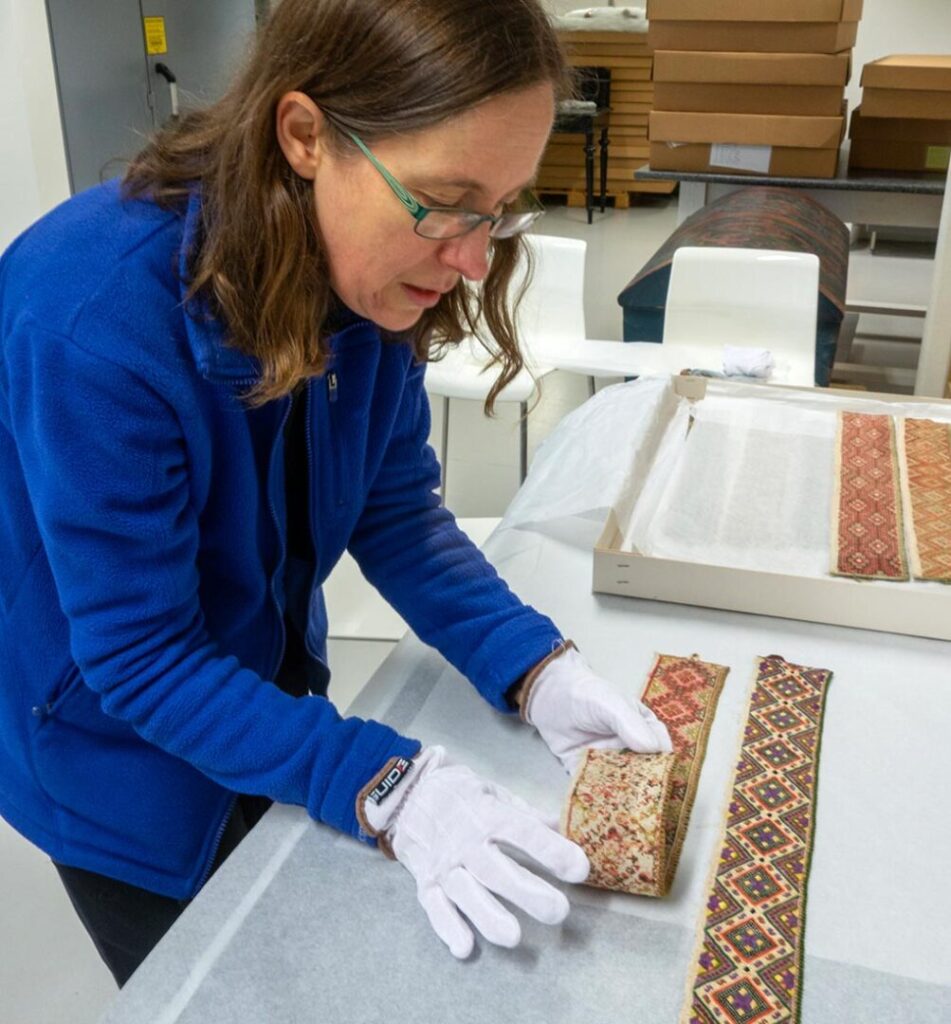
Documenting Historical Needlework Skills to Preserve Cultural Heritage Before it is Too Late Sunday, February 22, 2026 :: Zoom Webinar 6:00 pm Newfoundland Time :: 5:30 pm Atlantic Time :: 4:30 pm Eastern Time :: 3:30 pm Central Time :: 2:30 pm Mountain Time :: 1:30 p.m. Pacific Time Members, please log in to My EAC/Mon ACB to access the registration code for Zoom. If you're not a member yet, you can purchase a virtual seat. In this talk, Yvette will explain the urgency to document historical needlework skills before they die out. In many places around the world, the cultural custodians of traditional embroidery styles are disappearing. At the same time, younger generations within those cultural groups often have different priorities and do not take the opportunity to learn those skills from their elders before those elders are no longer with them. We are at a point where it will soon be too late to preserve many historical and regional needlework styles.